
Hey there, it’s Mirek. After publishing over 200 articles, dozens of which remain free in the archive, I’m moving new pieces behind a paywall (still for the price of one good coffee a month). Paid subscribers keep this newsletter independent and worth your time. Thanks for being here, and happy reading!
A few years ago, I met with an engineering leader at my favorite coffee place for another mentoring session. During these conversations, I was always amazed by how different companies can face similar challenges. Continuous delivery, shift-left & testing, “missionaries vs mercenaries”, output vs outcomes, old guards vs new guards.
That day, one of the things we discussed was coming to terms with closing a project. -Imagine they spent last 6 months working on a project that senior management killed within a week.
Well, I didn’t have to imagine. It happened to me countless times.
In such situations, we usually went through a few concepts, like: sunk cost fallacy, opportunity window, or cost of delay.
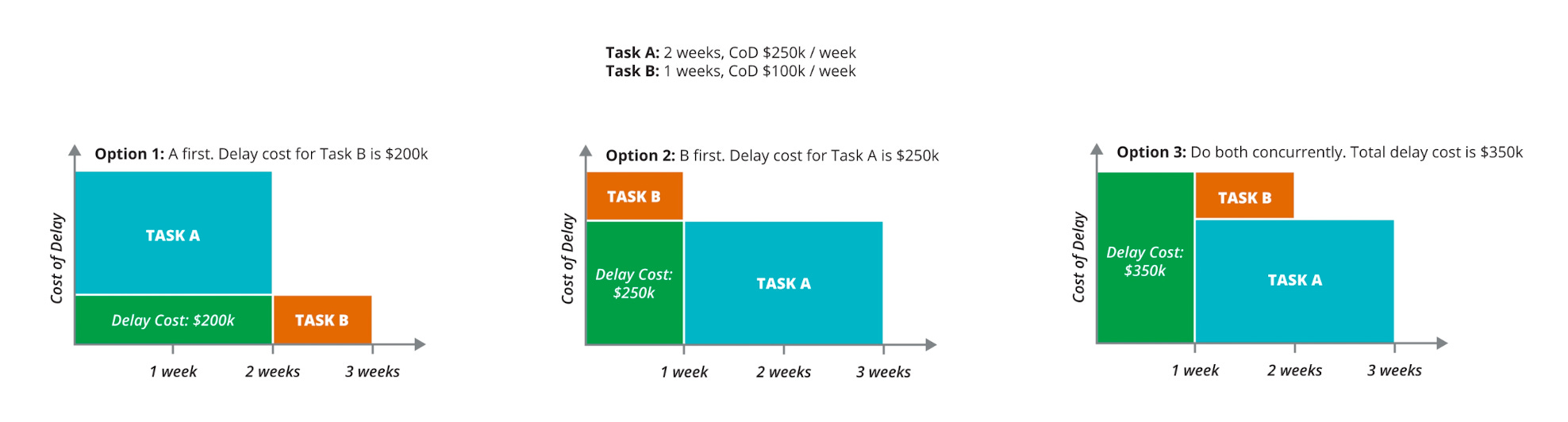
Then we talked about shifting from building features to building systems. It doesn’t matter how quickly you ship a single thing. What matters is how fast you can deliver a change.
In more mature teams, we coached about Objectives and Key Results. No one cares about your code. Your team’s goal is to onboard the first 100 customers or improve conversion from 10% to 30%.
But somewhere between the lines, the real problem remained. Many software engineers ship code but deliver no value.
They join a company, spend ~1 month onboarding, then 6 months on a project that never goes live. Then another 6 months on a different one, used by <1% of customers. A few more iterations, bug fixing, and slacking and they are gone to another organization.
Sounds exaggerated?
Some data check: In European tech, engineers average about 3 years, startup employees about 2 years, and people who do leave go after a median of about 14 months.
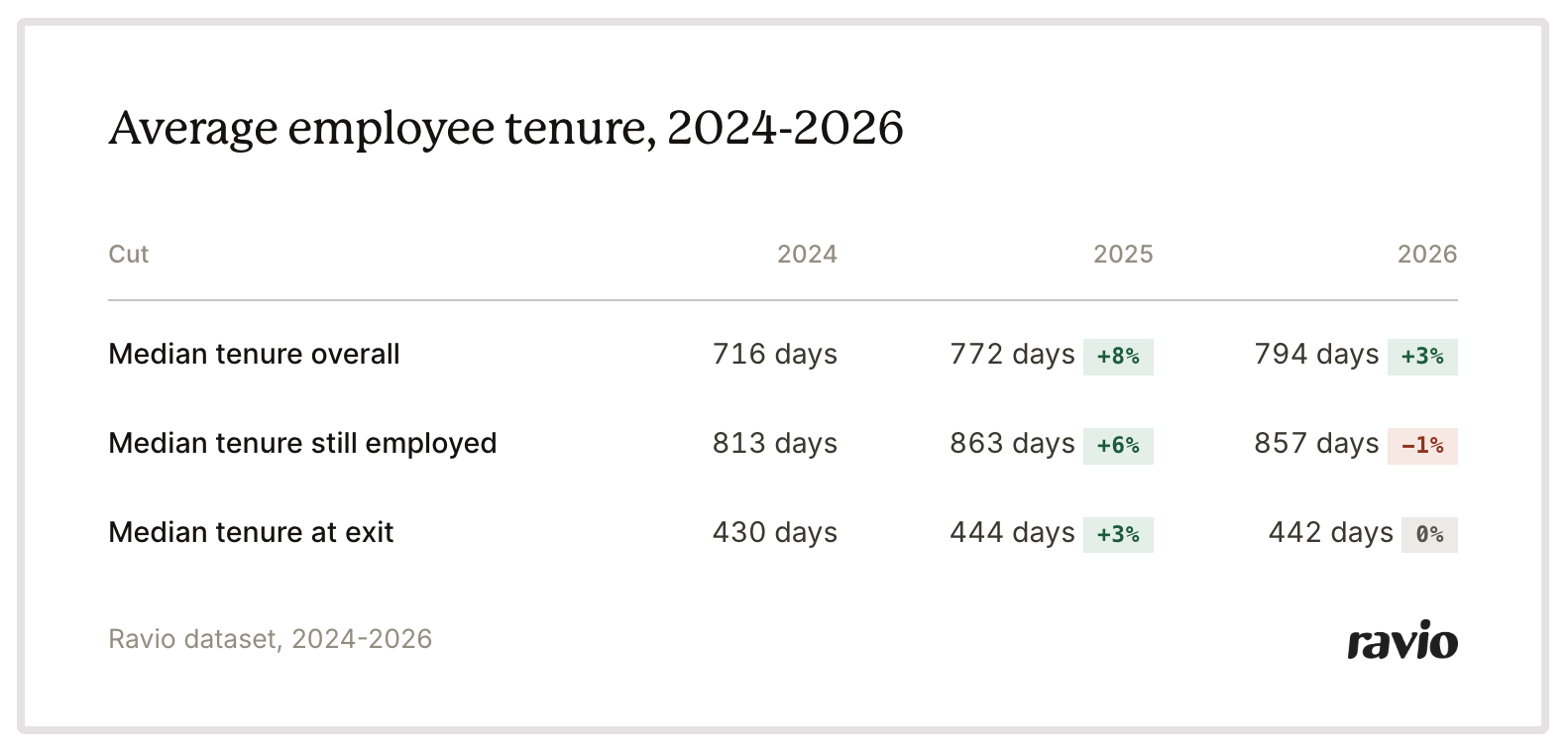
In the pre-AI era, a few-month build cycle was an epistemic insulation. An engineer could spend an entire time architecting and iterating on a feature before realizing adoption metrics flatlined, and the feature quietly became dead weight.
AI destroys that insulation. When a feature takes weeks to ship, you can no longer hide behind the heroics of construction.
Output Was Never Value
Most features don’t deliver value.
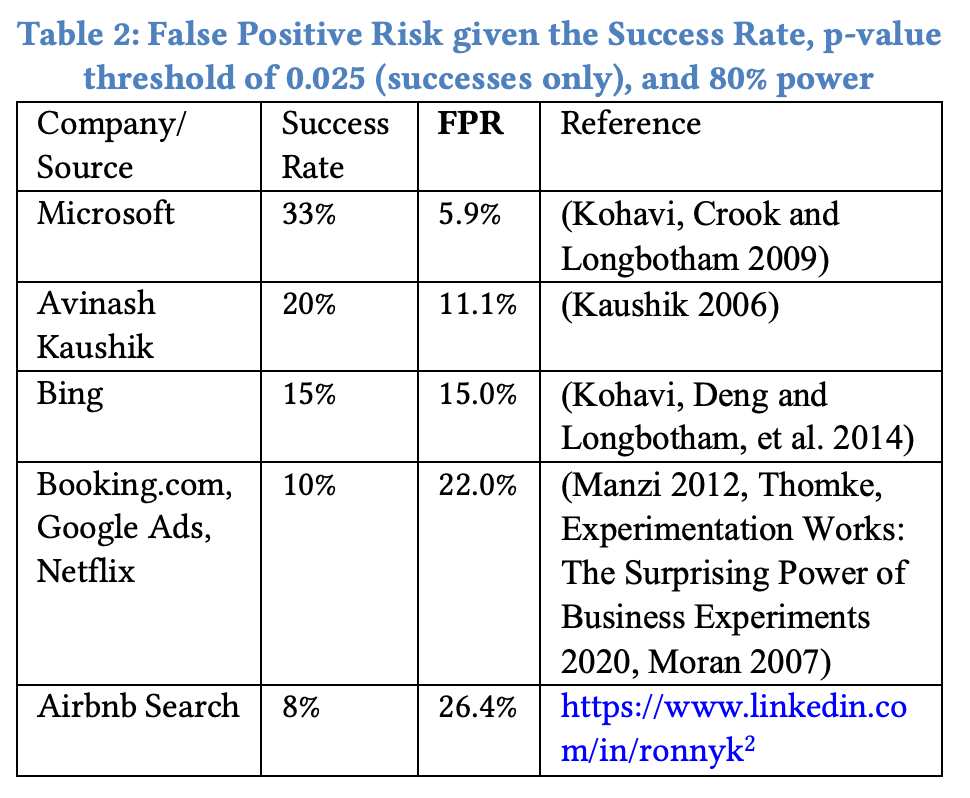
According to Ronny Kohavi’s A/B Testing Intuition Busters, across tens of thousands of experiments, most well-established ideas fail to move the target metrics.
According to the data, Microsoft saw a 33% success rate (meaning two-thirds failed or did nothing), Bing - 15%, and Booking.com and Netflix ~ 10%. These ideas had already passed internal reviews at big, successful companies 😱.